


People made better.
Periodontal Treatment

What Is Periodontal Treatment?

Periodontal disease, said to affect many adults, if the right time for treatment is missed,
The jawbone breaks down, weakening the teeth and making them loose.
Treating plaque and tartar so they do not cause gum inflammation
This is called periodontal treatment.

Stages of Periodontitis
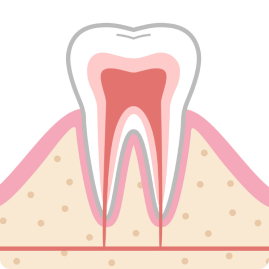
Early Stage

Hard tartar forms on the teeth.
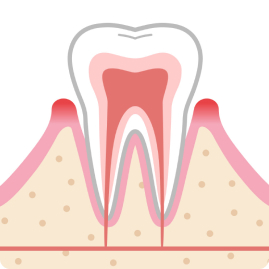
Gingivitis

The gums begin to swell and bleed.
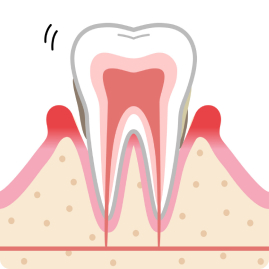
Periodontitis

The gums separate from the teeth and
Gums bleed easily.
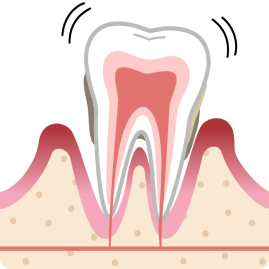
Severe Periodontitis

Inflammation reaches the jawbone, and the teeth
become loose and extraction is needed.

Gum Treatment Methods
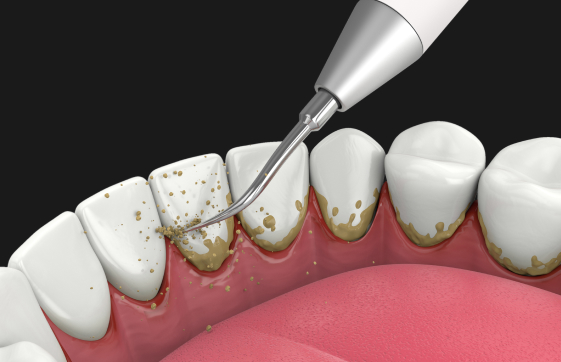
Scaling

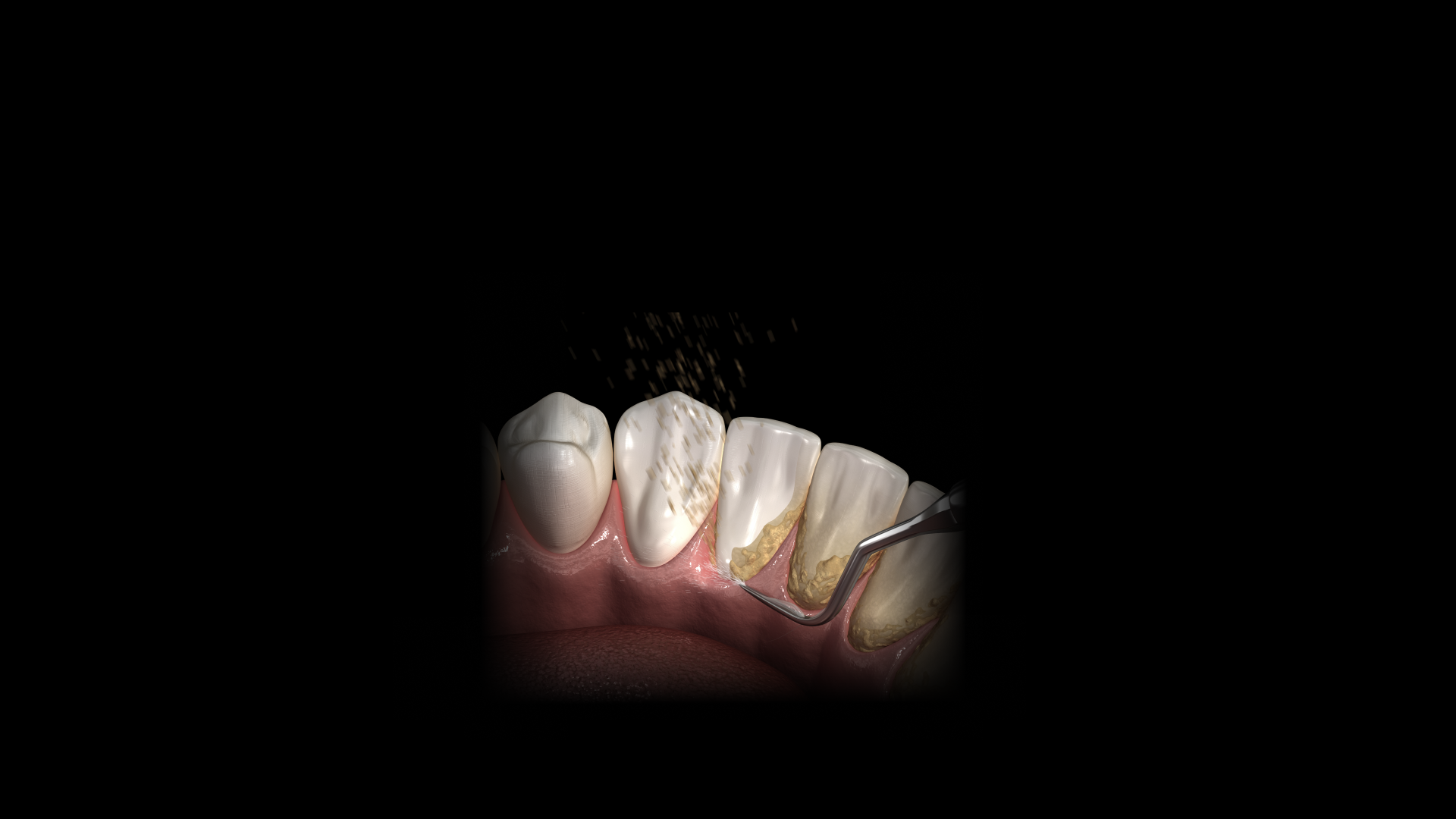
Scaling is a procedure that removes tartar and plaque from the tooth surface and just inside the gums using dental instruments.
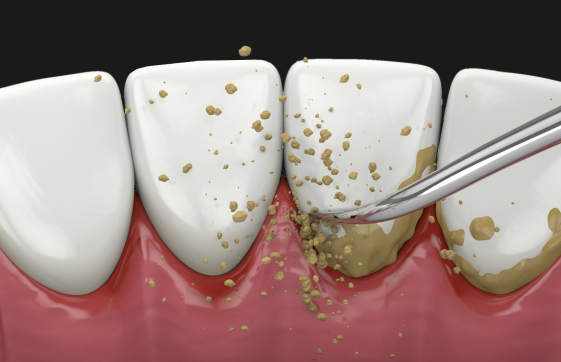
Periodontal Curettage

firmly attached to the roots below the gumline that scaling cannot remove
harmful deposits such as tartar are diagnosed with X-rays and, using special instruments,
we treat it.

Periodontal Disease
Prevention

  • Brush at least three times a day using the correct method, ideally right after eating.
  • For bleeding gums, it is best to use an interdental brush or floss.
  • Quitting smoking is recommended to prevent the growth of bacteria harmful to the mouth.
  • It can be prevented with regular dental check-ups and scaling at least every 6 months.

FAQ

Common questions before periodontal treatment

What is periodontal treatment?

Managing and treating plaque and tartar so they do not cause gum inflammation is called periodontal treatment. If the right time is missed, the jawbone breaks down, weakening and loosening the teeth, so early care is important.

What causes periodontal disease?

It starts when plaque on the tooth surface and just inside the gums is left for a long time and hardens into tartar, inflaming the gums. Left as it is, the inflammation can spread to the jawbone.

What are the stages of periodontitis?

In the early stage, hard tartar forms on the teeth; at the gingivitis stage, the gums begin to swell and bleed. As it progresses to periodontitis, the gums separate from the teeth and bleed easily, and at the severe periodontitis stage, inflammation reaches the jawbone, the teeth become loose and extraction may be needed.

Does bleeding gums mean I have periodontitis?

When the gums start to swell and bleed, it is gingivitis. It is an early stage in which inflammation has not yet spread to the jawbone, so treatment at this point helps prevent it from progressing.

What happens if periodontitis is left untreated?

If the right time for treatment is missed, it can progress to periodontitis, in which the gums separate from the teeth and bleed easily, and then to severe periodontitis, in which inflammation reaches the jawbone, the teeth become loose and extraction is eventually needed.

How is scaling different from periodontal curettage?

Scaling is a procedure that removes tartar and plaque from the tooth surface and just inside the gums with dental instruments. Periodontal curettage diagnoses tartar and other deposits firmly attached to the roots below the gumline—which scaling cannot remove—with X-rays and treats them with special instruments.

Do you use a laser for periodontal curettage?

Yes, we use the K2 laser at low power. We use it together with scaling instruments to treat deposits attached deep below the gumline.

Can I also get insurance-covered scaling?

Yes. EROM Dental Clinic offers insurance-covered scaling as part of its Office Worker Program. Eligibility and frequency of coverage vary by person, so we will check when you visit.

Does periodontal treatment hurt?

Most dental treatment is done under anesthesia, so once it takes effect you will not feel much pain during the rest of the procedure. The injection itself may hurt, but only for a moment.

How can I prevent periodontal disease?

Brush at least three times a day using the correct method, ideally right after eating. Use an interdental brush or floss on bleeding gums, and quitting smoking also helps prevent the growth of harmful bacteria in the mouth.

How often should I have check-ups?

Regular dental check-ups and scaling at least every 6 months help prevent periodontal disease.

Do I really need to use floss or an interdental brush?

A toothbrush alone has difficulty cleaning between teeth and just inside the gums. Especially for bleeding gums, we recommend also using an interdental brush or floss.

Does quitting smoking help gum health?

Yes. Quitting smoking helps prevent the growth of harmful bacteria in the mouth, and we recommend it as one way to prevent periodontal disease.

Can severe periodontitis prevent me from getting implants?

When periodontitis is very severe, bone loss beneath the teeth can make initial implant stability hard to achieve. In such cases, we first manage the gums with periodontal treatment and then reassess whether an implant is possible.

Does poor oral hygiene affect other treatments?

Yes. If oral hygiene is poor, the risk of infection at the surgical site increases, and we may not recommend treatments such as immediate implant placement. Keeping your gums healthy through periodontal treatment also helps widen your treatment options.

Can I get periodontal treatment without an appointment on weekday afternoons?

On weekdays from 2 PM to 4 PM, we offer walk-in hours when you can be seen right away without an appointment. You can also receive periodontal care such as scaling during this time.

Is periodontal treatment also patient-led?

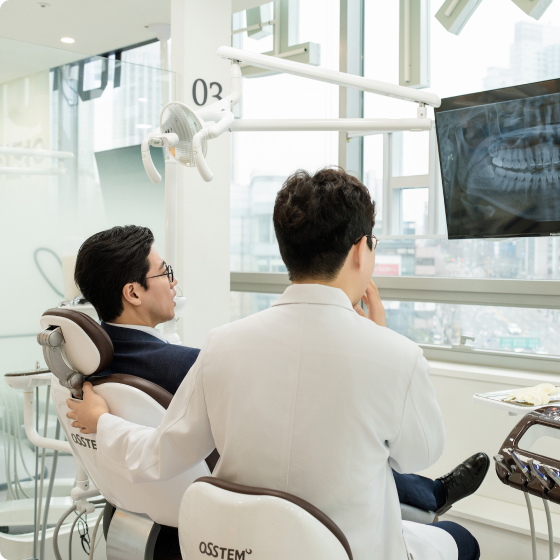
Yes. We show you the stage of periodontitis and the condition of your gums with photos and X-rays, and decide on the treatment plan together based on that evidence.

Is periodontal treatment a one-time thing?

Periodontal disease can progress again if care stops, so a single treatment is not the end. We recommend ongoing care with check-ups and scaling at least every 6 months.

Always together.
EROM Community

We record and share the value of being together.